Maintenance in a Subtropical Climate
Florida is hard on buildings. Relentless heat, high humidity, salt air near the coast, heavy summer rain, and an annual hurricane season mean rental maintenance here is more demanding — and more consequential — than in milder parts of the country.
Emergency versus routine
Every maintenance system starts by separating true emergencies from routine requests. An emergency threatens health, safety, or the property itself — a major leak, a sewage backup, no air conditioning in a July heat wave, a gas smell, or storm damage — and demands a response measured in hours. Routine items — a dripping faucet, a sticking door, a worn appliance — are scheduled promptly but not urgently. Tenants should know how to report each, and someone must be reachable when an emergency lands at 2 a.m.
Air conditioning is not optional
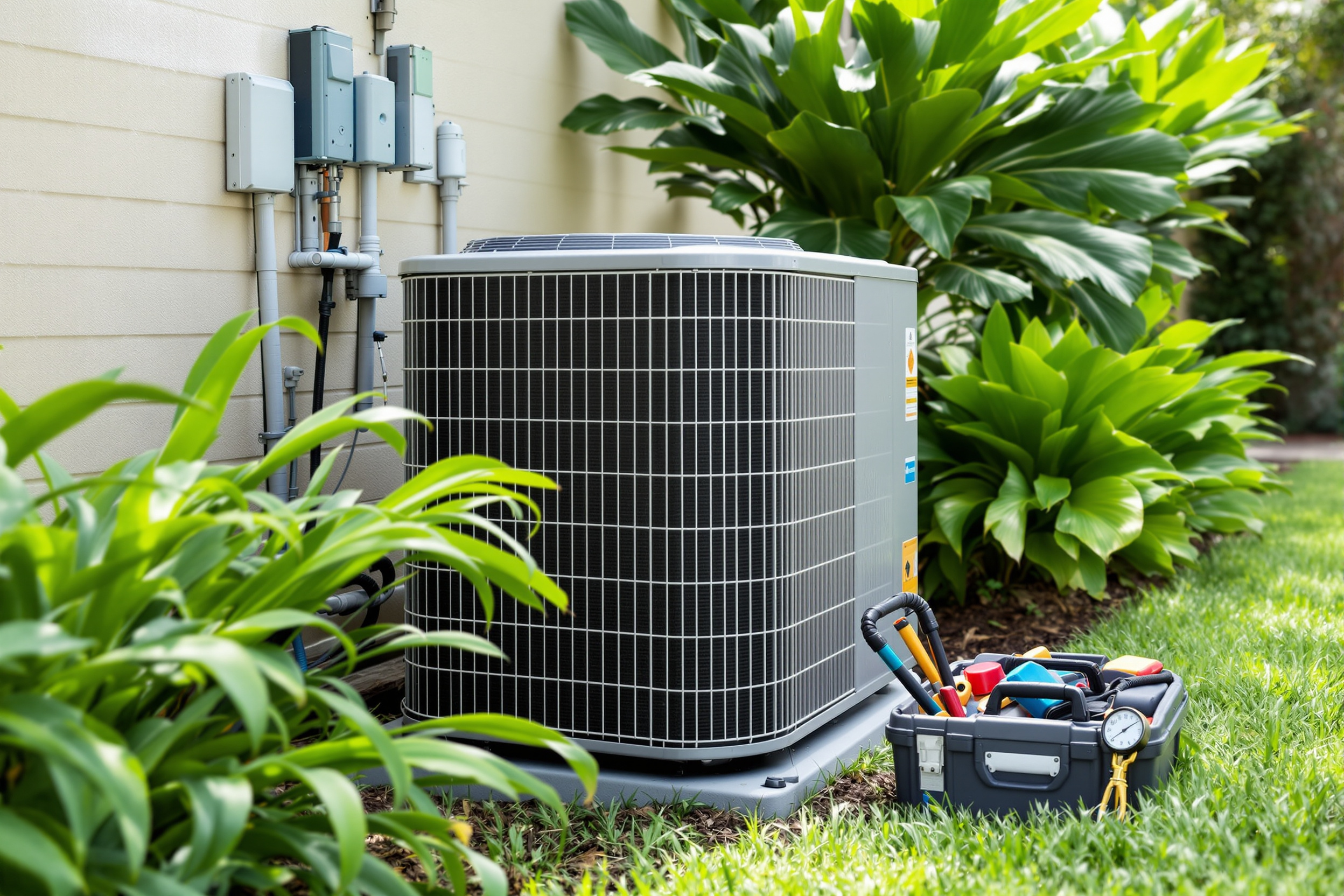
In the Tampa Bay climate, air conditioning is essential to a habitable home for much of the year. A failed AC system is a genuine emergency, and regular servicing — filter changes, coil cleaning, refrigerant checks — is one of the highest-return preventive investments an owner can make. Deferred HVAC maintenance does not just risk an emergency; it drives up energy bills and shortens the life of an expensive system.
Humidity, moisture, and mold
Humidity is the quiet antagonist of Florida rentals. Without adequate cooling, ventilation, and prompt attention to leaks, moisture leads to mold, which raises habitability and health concerns and can become costly to remediate. Good practice means fixing leaks quickly, maintaining working exhaust fans, keeping gutters and drainage clear, and responding seriously to any tenant report of a musty smell or water stain. The U.S. Environmental Protection Agency offers practical guidance on mold and moisture control that applies directly to landlords.
Pest control in a warm climate
Warmth and moisture make pest pressure year-round in Florida — ants, roaches, rodents, and the ever-present concern of termites, which can do serious structural damage before anyone notices. Regular preventive pest service and periodic termite inspection are cheap relative to the damage they head off, and they keep the home comfortable enough that good tenants stay. Spell out in the lease who is responsible for routine pest control so there is no confusion when an issue arises.
Hurricane season and storm readiness
From June through November, coastal Florida owners must think about storms. Preparation includes knowing the property's flood and evacuation zone, keeping trees trimmed and loose items secured, confirming shutters or impact glass function, and having a plan for boarding up and for post-storm inspection. After a major storm, prompt damage assessment and documentation protect both the tenant's safety and the owner's insurance position. Pinellas County publishes local emergency management resources worth reviewing before each season.
Turnover between tenants
The gap between one tenant and the next is the natural moment for deeper maintenance: a thorough clean, fresh paint where needed, deep servicing of appliances and HVAC, and any repairs that are awkward to do while someone lives there. A well-run turnover is quick but not rushed — a home returned to move-in condition rents faster and to better applicants, and it resets the documented baseline that makes the next move-out inspection fair.
Preventive maintenance protects returns
The cheapest repair is the one you prevent. A seasonal schedule — HVAC service, roof and gutter checks, pest control, water-heater and plumbing inspection, and exterior upkeep against sun and salt — catches small problems early and keeps a home rentable and valued. Preventive care also demonstrates, if a dispute ever arises, that the owner met the legal duty to maintain a habitable dwelling.
Vendors and cost control
Reliable, licensed, and insured vendors are the backbone of maintenance. A manager's network — and the ability to get fair, prompt work — is a real part of the value they provide. Owners should understand in advance how repairs are authorized, whether there is a spending threshold below which the manager may act without prior approval, and whether any markup is applied to vendor invoices; those fee details matter as much as the monthly percentage.
The summer-vacancy checklist
A Gulf-coast rental standing empty through the summer needs a plan of its own. Air conditioning left running periodically rather than switched off is the cheapest defence there is against humidity and mould, which is the most common cause of an expensive turnover in this climate. Supply lines and water heaters are worth isolating, and drains benefit from being run so traps do not dry out and let sewer gas back into the house. Someone should physically walk the property on a schedule through storm season, and the owner should know who that person is before June rather than after a warning. An empty house in July can do more damage to itself than a tenanted one does all year.