What a Manager Does
The core services — leasing, screening, rent collection, maintenance, accounting, and inspections — and where each one adds value.

Independent · Vendor-neutral · Tampa Bay
A plain-English guide to how residential rentals really work on Florida's Gulf coast — the law, the fees, the market, and the maintenance — with no manager to sell you.
Owning a rental home on Florida's Gulf coast can be rewarding — and complicated. Leases, security deposits, maintenance in a humid subtropical climate, association rules, and a rental market that swings with the seasons all demand attention. This is an independent, vendor-neutral guide to Clearwater property management: a place to understand how residential rentals actually work in Clearwater and the wider Tampa Bay region, without a sales pitch attached.
We do not manage properties, take listings, or hold deposits. The goal here is simpler: give owners, prospective landlords, and renters clear, accurate information so they can make good decisions — whether they hire a professional manager, self-manage, or are simply trying to understand their rights. Everything below links to focused, readable sections and, where the law is involved, to primary sources you can verify yourself.
Property management is the day-to-day operation of a rental on the owner's behalf. In practice that means marketing a vacancy, screening applicants fairly, signing and enforcing a compliant lease, collecting rent, coordinating repairs, keeping the books, and staying on the right side of Florida law. Each of those pieces has its own rules and pitfalls, which is why we have broken this resource into focused sections rather than one long article.
The core services — leasing, screening, rent collection, maintenance, accounting, and inspections — and where each one adds value.
Security deposits, required notices, and the eviction process under Florida Statutes Chapter 83.
How to evaluate applicants thoroughly and legally, and what Fair Housing means for every landlord.
Management percentages, leasing fees, and maintenance markups — what is typical and what to question.
Handling repairs and preventive upkeep in a climate defined by heat, humidity, and hurricane season.
Neighborhood by neighborhood, and how snowbird season and beach demand shape rents.
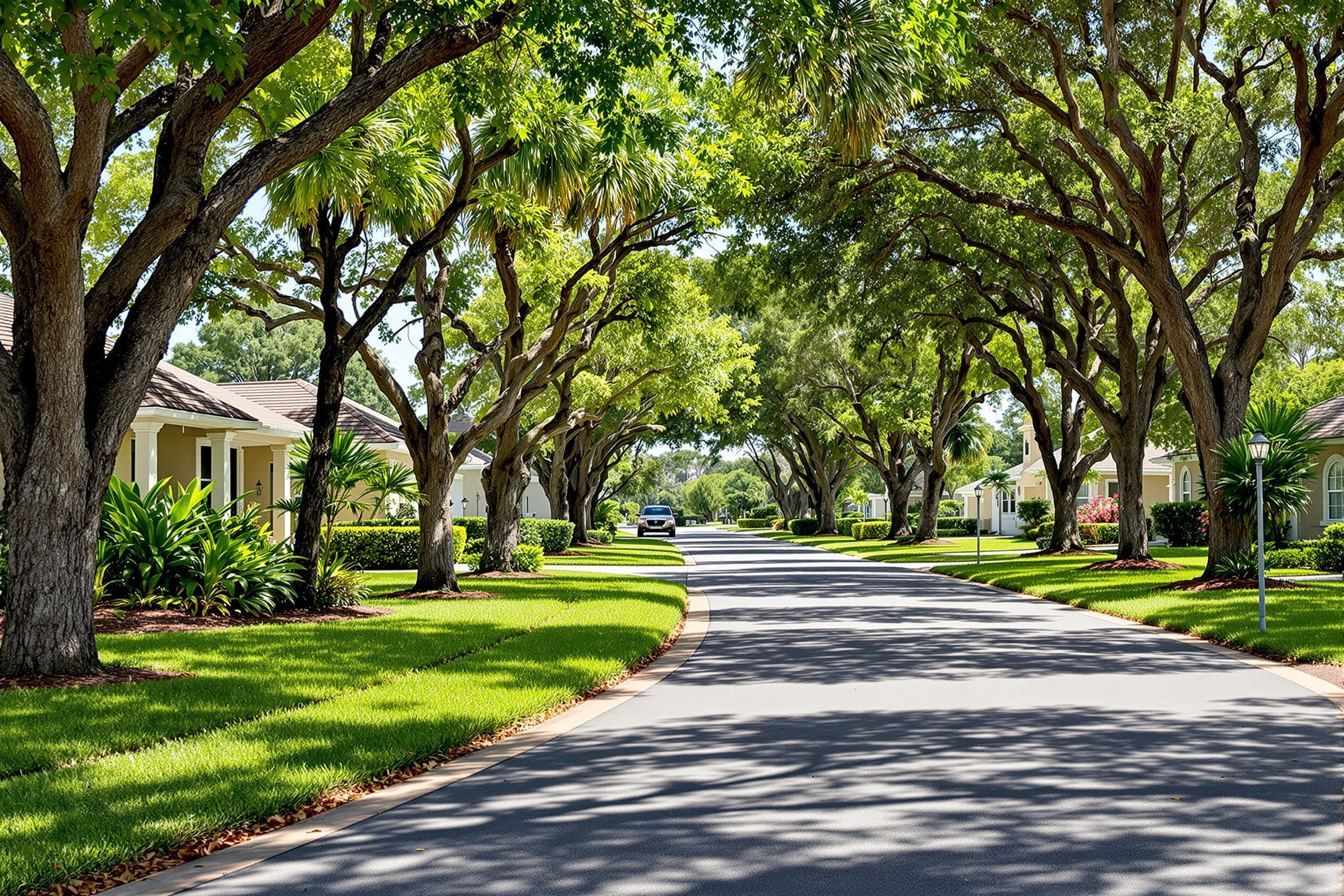
Clearwater sits in Pinellas County, one of the most densely populated counties in Florida, wrapped by the Gulf of Mexico on one side and Tampa Bay on the other. That geography drives everything about local rentals. Beach-adjacent homes and condos command seasonal premiums and attract short-term demand; inland neighborhoods like Countryside and areas near Safety Harbor, Dunedin, Largo, and Seminole serve steadier year-round tenants. Winter brings snowbirds from the north, flood-zone and windstorm insurance shape operating costs, and a large share of the housing stock sits inside condominium or homeowner associations with their own rules.
None of that is a reason to avoid owning rental property here — the region has strong long-term demand — but it does mean generic, one-size-fits-all landlording advice often misses the mark. Local context matters, and this guide is written specifically around it.
Different readers need different things, so the guide is built to serve several at once:
One rhythm sits underneath every other topic on this site. Pinellas County fills up in winter and thins out through the summer, and that single fact moves rents, vacancy, maintenance scheduling, insurance renewals, and even how long a lease ought to run. Owners who plan around the calendar get better tenants at better rents; owners who ignore it end up advertising a furnished beach condo in July. Our guide to the Clearwater and Tampa Bay rental market works through it neighborhood by neighborhood and looks closely at snowbird season — including what a winter tenancy actually involves for the seasonal residents themselves, which is the part most listings never mention.
Seasonal demand also changes what good management means locally. A manager who is excellent at year-round single-family leasing may have little experience turning a furnished unit twice a season, arranging summer property checks for an absent owner, or pricing a five-month lease against a twelve-month one. Those are genuinely different skills, and worth asking about directly before you sign anything.
There is no universal right answer. Owners with a single nearby property, some free time, and a tolerance for the occasional midnight phone call often self-manage successfully and keep the management fee for themselves. Owners who live out of state, hold several units, or simply want a professional buffer between themselves and tenants tend to hire out. The honest way to decide is to price both paths — the real cost of a manager against the real value of your time and the risk of an avoidable legal misstep — rather than assuming either is obviously cheaper.
If you are weighing whether to hire help, start with what a manager does and how to choose one. If you are a hands-on owner, the Florida law, screening, and maintenance sections are the ones people wish they had read sooner. Renters will find the FAQ and the law section most useful for understanding deposits, notice, and repairs.
For authoritative specifics, we link throughout to primary sources — the Florida Legislature, the U.S. Department of Housing and Urban Development, and county and state agencies — rather than asking you to take our word for it. Always confirm current statutes and local ordinances before acting, and consult a licensed attorney or professional for decisions specific to your property.